
Flea, Tick and Worm Prevention for Cats and Dogs: A Complete Guide to Parasite Control
Whether your furry companion is a playful youngster or enjoying their senior years, providing effective parasite control for cats and dogs is essential for their health and wellbeing. A parasite infestation can place significant strain on their bodies and, if left untreated, may lead to serious health complications.
So what can you do to keep your pet flea, tick and worm free? Fortunately, it’s easier than you might think. The first step is ensuring reliable protection against fleas, ticks and intestinal worms.
When choosing flea and worm treatment for cats and dogs, there are several important factors to consider. With so many options available, it can feel overwhelming—but with the right guidance, you can find the best solution for your furry friend. Parasite prevention would usually also be discussed at your dog vaccination appointment.

Veterinary Licensed Products vs Over-the-Counter Parasite Treatments
Over-the-Counter Flea and Worm Treatments
One of the main reasons people choose over-the-counter flea and worm treatments is the price. Products sold in pet shops are often cheaper than those purchased from a veterinary practice.
However, while the lower price may seem appealing, there is usually a reason for the difference. Shop-bought parasite treatments do not carry the same licensing or regulation as veterinary licensed parasite control products. As a result, they may not be as effective at controlling flea, tick or worm infestations.
In some cases, reduced effectiveness can lead to parasites persisting or worsening. Additionally, if treatments fail to work properly, it could potentially put your dog’s health at risk.
Many pet shop shelves feature products from well-known brands that you may recognise from veterinary practices. While these products may be produced by the same manufacturers, they often contain different formulations or lower-strength active ingredients compared to their veterinary prescription equivalents. Because of this, their effectiveness and reliability may be reduced.
Another key consideration is regulation. Veterinary licensed parasite treatments undergo far more rigorous testing and regulation than most over-the-counter alternatives.
Veterinary Licensed Parasite Treatments
While veterinary prescription flea, tick and worm treatments may cost more initially, they offer several important advantages. These products are highly regulated, clinically tested, and proven to be effective and safe when used correctly.
In many cases, these treatments also offer longer-lasting parasite protection, with some products lasting up to 12 weeks, compared to the typical monthly treatments available over the counter.
To obtain veterinary licensed parasite prevention, you will usually need a prescription from your vet. This means your cat or dog will need to attend regular veterinary health checks so the vet can ensure the chosen treatment remains suitable.
Your veterinarian will help you choose the best flea, tick and worm treatment for your pet, based on factors such as age, weight, lifestyle and medical history.
Why Your Vet Must See Your Dog Before Prescribing Treatment
You may be wondering whether you can purchase veterinary flea and worm treatments directly from your veterinary practice without a consultation.
Unfortunately, the answer is no.
Recent regulatory updates from the Royal College of Veterinary Surgeons (RCVS) require that a veterinarian must examine your dog before prescribing prescription medication. Since most effective parasite treatments fall under prescription-only veterinary medicines, they must follow this rule.
However, once your vet has examined your dog, they may authorise repeat prescriptions. This allows you to reorder your dog’s flea and worm treatment without another appointment until the review period expires.
Typically, repeat prescriptions may last 6–12 months, depending on your vet’s recommendation. For example, if your vet authorises five repeat prescriptions, you can reorder the medication five additional times before your dog needs another health check. There may also be a time limit on when the prescription expires. You can use the repeat prescriptions within the time frame listed on the prescription. If you try to use the prescription over the expiry date, you will not be able to order more products without seeing you vet again.
If you’re unsure whether your pet has repeats available, your veterinary reception or administration team will be happy to help.
Types of Flea, Tick and Worm Treatments for Dogs
With so many parasite prevention products for cats and dogs available, choosing the right one can feel overwhelming.
You might be wondering:
- What types of treatments are available?
- When should I start parasite prevention?
- How often should treatments be given?
Let’s break it down.
Understanding Fleas
What Are Fleas?
Fleas are small blood-feeding parasites that commonly affect cats and dogs. While they primarily feed on your pet’s blood, they can also bite humans.
Flea bites cause itching, irritation and discomfort, and heavy infestations can make pets extremely miserable. Fleas also lay eggs in your home environment, where they can remain dormant until conditions allow them to hatch and start the cycle again.
Signs Your pet May Have Fleas
There are several indicators that your dog may have a flea infestation.
Excessive Itching and Scratching

If your furry friend is scratching, licking or biting their skin more than usual, fleas may be the cause. You might even notice itchy bites on yourself, which could also indicate fleas in the household.
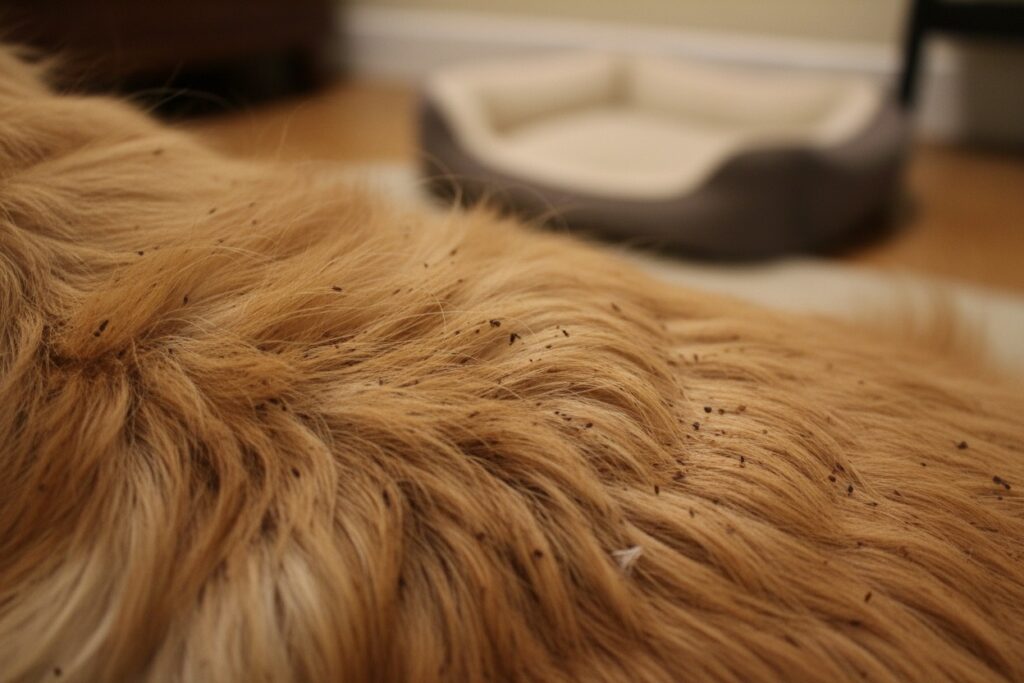
Flea Dirt
Flea dirt is one of the most reliable signs of fleas. It appears as dark brown or reddish specks in your pet’s coat.
A simple way to confirm flea dirt is with the wet paper towel test. Place some of the specks on damp paper towel. If they dissolve into a reddish-brown colour, it is likely flea dirt.
This method is especially helpful for animals with dark coats, where flea dirt is harder to spot.
Live Fleas
You may occasionally see live fleas, although they are extremely fast and can quickly disappear into your pet’s fur. The easiest areas to check are around the base of the tail and the belly.
Hair Loss or Skin Irritation
Heavy infestations can lead to hair loss, sore skin and inflammation due to constant scratching. Some pets also develop flea allergy dermatitis, where even a single bite can cause severe skin reactions.
Choosing the Right Flea Treatment for Your Dog

Flea prevention for cats and dogs is available in several forms:
- Spot-on treatments
- Chewable tablets
- Oral flea treatments
- Flea collars
Most products also provide tick protection.
Depending on the product, treatments typically last 4 to 12 weeks, with monthly flea treatments being the most common.
When choosing a treatment, consider your pet’s personality. If your dog is likely to spit out tablets, a spot-on treatment may be easier. Your veterinarian can guide you through the most suitable parasite prevention options for your cat or dog.
If purchasing over-the-counter treatments, always read the packaging carefully. It is extremely important to know your cat or dog’s current weight, as parasite treatments are weight-specific.
Incorrect dosing can be dangerous to your pet’s health.
Understanding Worms
Intestinal worms are parasites that live within the digestive tract. In severe cases, they can cause malnutrition, illness and weight loss.
Some pets with heavy worm burdens develop a pot-bellied appearance, even though they may actually be losing weight due to parasites consuming their nutrients.
In certain cases, you may see worms in their faeces or around their rear end, although many infestations occur without obvious signs.
How do they Get Worms?
Dogs can become infected with worms in several ways.
From Mother to Offspring

Puppies and Kittens can be born with worms, as parasites may pass from the mother during pregnancy or through milk after birth.
Contaminated Environments
They can ingest worm eggs or larvae from contaminated soil, water or food.
Faecal-Oral Transmission
Simply sniffing or licking contaminated areas can lead to infection.
Eating Infected Hosts
Cats and Dogs can also become infected by eating infected fleas, prey animals or raw meat.
Skin Penetration
Some parasites, such as hookworms, can enter the body through the skin when dogs walk on contaminated ground.
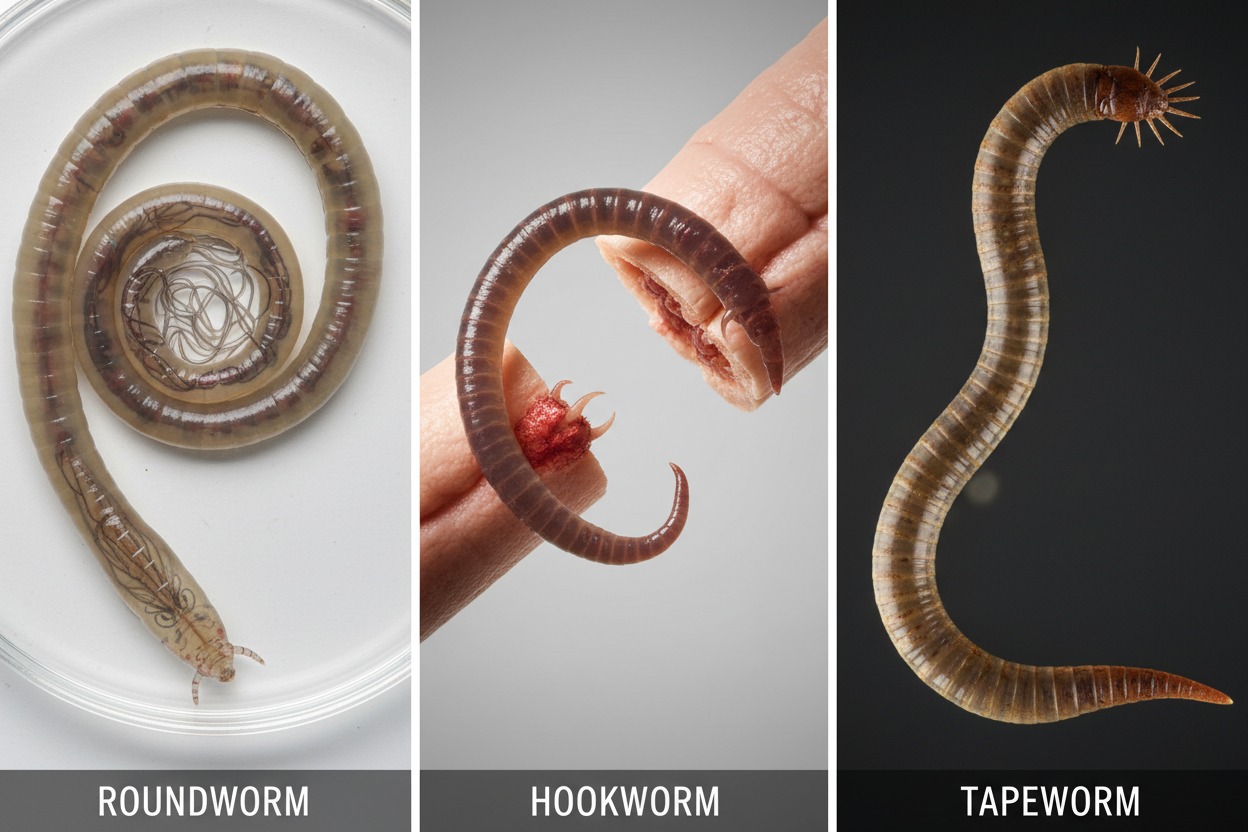
Types of Worms Needing Protection From
Effective worming treatments should protect against:
Roundworms – common parasites often passed from mother to offspring.
Hookworms – attach to the intestinal wall and can cause significant blood loss, especially in young animals.
Tapeworms – frequently transmitted through infected fleas or raw prey.
Combined Flea, Tick and Worm Treatments
Some veterinary licensed parasite treatments provide protection against fleas, ticks and worms in one product.
These all-in-one parasite treatments can be very convenient, particularly if your cat or dog finds medication stressful.
Combined treatments are usually administered monthly and are available as:
- Chewable tablets
- Spot-on treatments
Because they protect against multiple parasites, they are typically more expensive than single treatments.
Individual Parasite Treatments
Some owners prefer separate flea and worm treatments.
Individual Flea and Tick Treatments
Some veterinary flea treatments provide protection for up to 12 weeks, which can be appealing if your pet dislikes regular medication.
These products may be available as tablets, spot-ons or collars.
Individual Worming Treatments
Similarly, some worming products only need to be given every 3 months, reducing the frequency of dosing.
Your veterinarian can help determine the most appropriate parasite prevention schedule for your pet.
Conclusion: Choosing the Best Parasite Protection for Your Dog
When deciding between shop-bought parasite treatments and veterinary licensed flea and worm products, there are a few key points to consider.
Veterinary licensed products
- Highly regulated and clinically tested
- Proven effectiveness
- Longer-lasting protection
- Usually more expensive
Over-the-counter products
- Generally cheaper
- Less regulated
- May be less effective
- Require careful dosing by the owner
When choosing flea, tick and worm prevention, also consider:
- Whether your pet prefers tablets, chews or spot-on treatments
- How frequently you want to administer treatments
- Whether combined parasite protection or individual treatments suit your pet better
Top Tip from a Veterinary Nurse
If you would like to use veterinary licensed parasite treatments but prefer not to purchase them directly from your veterinary practice, you can ask your vet for a written prescription.
You can then order the medication from a reputable online veterinary pharmacy, which may be more cost-effective in the long term.
However, keep in mind that you will need to pay for both the written prescription fee and the medication itself, so for short-term treatments this may not always be cheaper.
Always research your options before making a decision.
If you are unsure which flea, tick or worm treatment is best for your pet, your veterinarian and veterinary nurses are always happy to help. Veterinary nurses in particular hold a wealth of practical knowledge and can guide you toward the most appropriate parasite prevention for your furry companion.