
Vaccinations — are they really benefitting your furry friend’s health? Or are they just an annual cost you’re expected to pay each year with no real benefit?
In short, vaccinations are essential for protecting your pet and helping them live a healthy, happy life. In fact, they’re one of the most important steps you can take to safeguard your dog’s health. Vaccinations protect dogs from a variety of serious and potentially fatal diseases, many of which can be prevented with regular boosters.
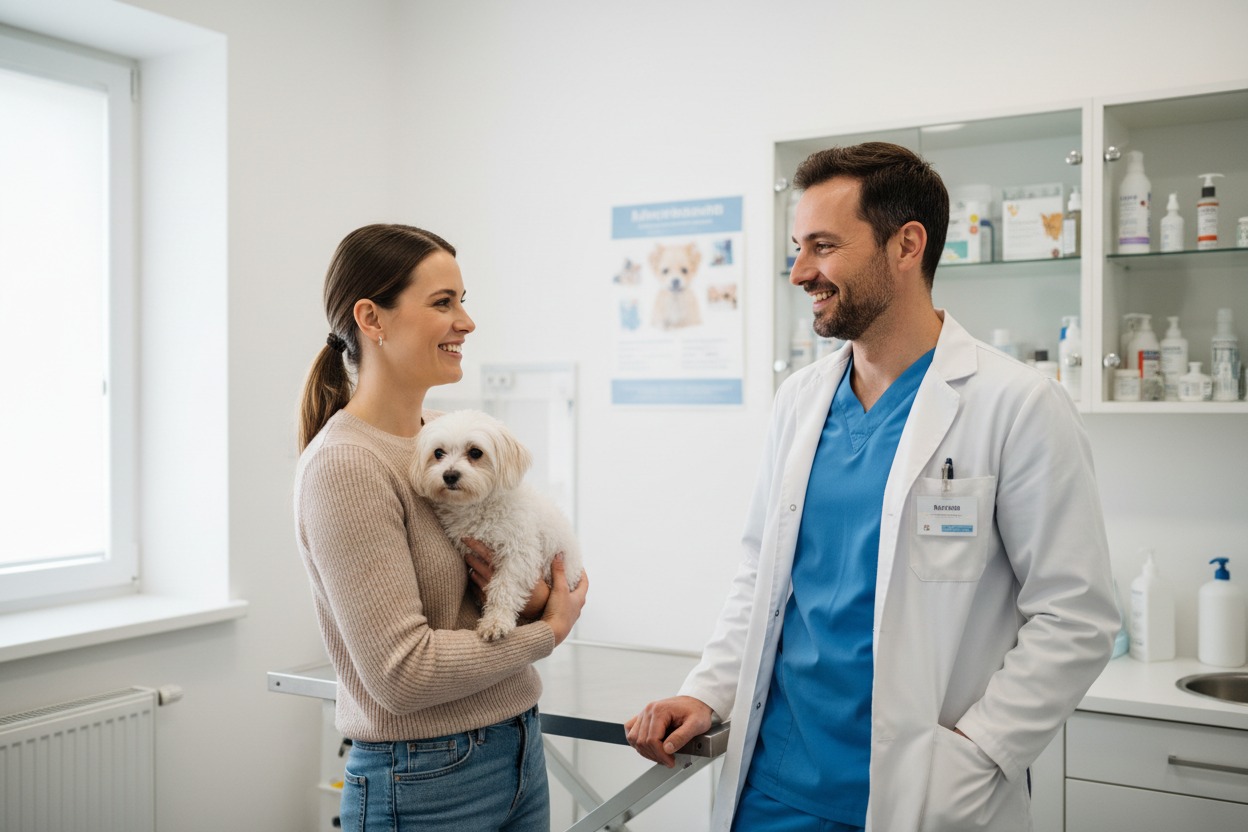
Why Are Vaccinations Important?
Vaccines are designed to stimulate your dog’s immune system to recognise and fight specific diseases. When your dog is vaccinated, their body produces antibodies that help prevent infection, or reduce its severity, if they’re exposed in the future.
If a dog remains unvaccinated, they’re at risk of contracting serious illnesses, developing long-term health problems, or, in some cases, death.
All vaccines authorised for use in the UK meet strict quality, safety, and efficacy standards as assessed by the independent veterinary regulator. Some of the key canine diseases covered by core vaccinations include:
- Canine Distemper Virus (CDV)
- Canine Parvovirus (CPV)
- Canine Adenovirus (CAV)
- Canine Leptospira
Additional vaccinations may be recommended depending on your dog’s lifestyle — whether they’re staying in kennels, travelling abroad, or simply to give extra protection. These include:
- Bordetella bronchiseptica and parainfluenza (Kennel Cough)
- Rabies vaccination or booster
When should vaccinations be given?
Puppies

If you’ve stepped into the world of puppies, buckle up — you’re in for a wild (and adorable) ride. They’re chaotic little bundles of fluff that will completely steal your heart… and probably make you want another one. That puppy smell is dangerously addictive.
While the cuddles are important, making sure your pup gets the best possible start in life is essential. Most puppies arrive in their new homes at around 8 weeks of age, often having already started their vaccinations. Some may stay with their breeder until they’re fully vaccinated at 12–14 weeks.
If not, it’s important to arrange vaccinations as soon as possible. Typical guidelines are:
- 1st Vaccination: 8-10 weeks of age
- 2nd Vaccination: 12-14 weeks of age
- 3rd Vaccination: Depending on when the vaccinations were started, a 3rd vaccination for the single L4 (Canine Leptospira) top up may be required.
It’s worth noting that different veterinary practices use different vaccine brands, and these usually can’t be mixed. If your puppy has already started their vaccination course, the make and batch number should be recorded in their vaccination booklet. Your vet will need this information before continuing the course.
If your practice doesn’t stock the same brand, they may recommend restarting the course at the appropriate interval. Your vet will guide you through this. While you can change practices if you wish, it’s generally best to stick with one primary care vet to avoid duplicated treatments or investigations.
Don’t panic if your puppy or young dog hasn’t been vaccinated yet — vaccinations can be started at any age over 8 weeks. A “primary course” simply means starting from scratch with the first and second vaccinations.
During this time, it’s recommended that your puppy avoids contact with other dogs. Social interaction is usually safe 7-10 days after the final vaccination, typically around 15 weeks of age, though this can vary depending on the vaccine brand and schedule. Your vet will give you clear guidance.
Adult or Geriatric Dogs

If you’ve adopted an adult or senior dog, checking their vaccination status is really important. Ideally, ask for vaccination records and previous veterinary history from the former owner or rehoming centre.
If you’re unsure about their vaccination history, let your vet know during their initial health check. If records can’t be found, your vet may recommend restarting the primary course to ensure full protection.
Once your dog is up to date, boosters are typically given every 1–3 years, depending on the vaccines previously used. If you’re unsure when boosters are due, your veterinary practice can advise — and many send annual reminders, which are a great time to ask questions.
If your dog is unwell or has a long-term health condition, your vet will advise whether vaccinations should go ahead or be delayed. Never be afraid to ask — there’s no such thing as a silly question when it comes to your pet’s health.
Further Reading
Vaccinations play a huge role in keeping your furry companion healthy and happy. Another key part of preventative care is complete parasite control. Regular parasite prevention should be part of your dog’s routine healthcare. Alongside treatments, annual health checks for dogs help your vet monitor your pet’s wellbeing.