
Pet Insurance
Pet insurance is essentially private medical cover for your pet. As there is no equivalent of the NHS in the animal world, it is strongly recommended to insure your furry companion against accidents, injuries, illnesses, and emergencies.
Do you need pet insurance for veterinary treatment?
No—your vet will treat your pet whether or not you have insurance. However, it is highly advisable to consider insurance when taking on a new pet, regardless of their age. Veterinary costs can escalate quickly if your pet becomes unwell, and insurance can help protect you from unexpected expenses.
Choosing the right policy can take time, patience, and research—but rest assured, we can navigate this together.

Types of Policy Cover
With several types of cover available, choosing the right policy can feel overwhelming. While cost is often a key consideration, it’s important to remember that cheaper isn’t always better. Understanding the different levels of cover will help you make the best decision for both you and your pet.
Accident only
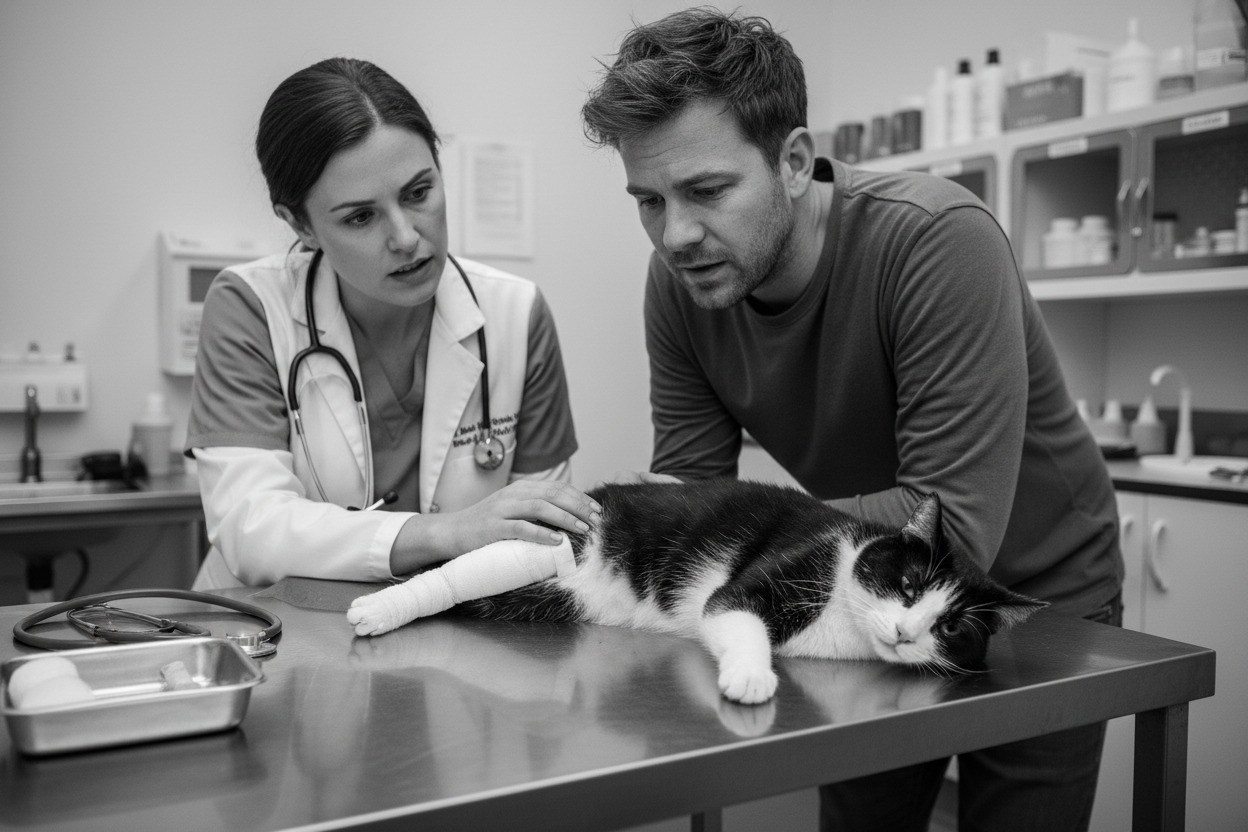
This is the most basic (and usually the cheapest) level of cover. It protects your pet in the event of accidental injury only and does not cover illness or routine procedures. Some insurers also impose time limits on claims following an injury.
Time-Limited
Time-limited policies typically cover illness and injury for a set period—usually 12 months. You can claim during this time, but once the policy period ends, any condition previously claimed for will be excluded from future cover, even if you switch providers.

Maximum Benefit

Also known as a “money-capped” policy, this option sits between time-limited and lifetime cover. There is no time restriction for claims, but each condition has a financial limit (often between £1,000 and £7,500). Once this limit is reached, that condition will no longer be covered, even after renewal.
Lifetime
Lifetime policies offer the most comprehensive protection. They cover accidents, illnesses, and chronic conditions for your pet’s lifetime, provided the policy is renewed each year.
These policies work like a renewable annual allowance. Once you reach your yearly limit, you will need to cover additional costs yourself until the policy renews. Although premiums are typically higher, lifetime cover provides the best long-term financial protection—especially for ongoing conditions.

Which policy type should you choose?
If you’re unsure which option is right for you, here’s a simplified comparison:
- Accident Only: Covers £2,000–£3,000 per condition (injuries only). Premiums can start from around £3/month.
- Time-Limited: Covers £1,000–£7,500 per condition for 12 months. Average £14–£20/month.
- Maximum Benefit: Covers £1,000–£7,500 per condition with no time limit, but a fixed financial cap.
- Lifetime: Covers £4,000–£15,000 annually, with renewal each year. Typically £18–£45/month.
Most policies include an excess (usually around £100), which you’ll need to pay when making a claim.
Additional considerations
Before purchasing a policy, it’s important to read the terms and conditions carefully. It may feel tedious, but this is where key details—such as exclusions and restrictions—are outlined.
Pre-existing Conditions
Insurers will assess your pet’s medical history before approving claims. Any condition noted prior to the policy start date is usually considered “pre-existing” and may not be covered.
If you’re unsure about your pet’s history, you can request their clinical records from your vet.
Policy Exclusions
Policy exclusions can vary from company to company. This can be affected by the level of cover you choose. For example, if you have purchased an accident only policy, you will not be able to claim for illnesses. Some policy exclusions can refer to not being able to claim for certain medical disciplines. For example, should your policy have an exclusion for claiming for behavioural disorders, if your pet is referred to a behavioural medicine specialist, you will not be able to claim for the veterinary cost for anything behaviour related. Other common policy exclusions can include:
- Pre-existing conditions
- Routine procedures or care
- Cosmetic procedures
- Breeding related cost
Paying Veterinary Fees
One of the biggest misconceptions is that insurers automatically pay your vet directly. In reality, this is not always the case.
In most cases, you will need to pay the full cost upfront and then claim reimbursement from your insurer. Some providers offer pre-authorisation, where they assess a claim before treatment—but this does not guarantee payment.
Even when direct claims are available:
- Not all vets accept them – some companies take too long to assess and pay out on claims.
- Fees may apply – this is usually applied by your veterinary practice and is not claimable on your insurance.
- Delays or insurer issues can affect the process.
Ultimately, you should always be prepared to cover costs yourself if needed.

Co-payments with your insurer
A co-payment means you pay a percentage of your pet’s treatment costs.
This may apply:
- If you have the option and choose it to reduce your premium
- Once your pet reaches a certain age (typically around 8 years)
- In some cases, for specific conditions
Co-payments are often around 20% and are usually payable at the time of treatment.
Conclusion
Before choosing a policy, make sure you:
- Select an appropriate level of cover
- Fully understand your policy terms
- Check for exclusions and pre-existing conditions
- Ensure you can cover upfront veterinary costs if needed
- Understand any excesses or co-payments
- Remember, managing your insurance policy is your responsibility—not your vet’s.
Veterinary Insight
Did you know?
The average cost of an MRI or CT scan for a dog is around £1,500—excluding anaesthesia, hospitalisation, and additional fees.
A Veterinary Nurses recommendation
While the final decision is yours, from professional experience, the most reliable option is:
- Choose lifetime cover and maintain it annually
- Avoid switching insurers, as this can lead to exclusions
- Opt for mid-range cover (£7,000–£10,000) to protect against rising costs
- Be honest about your pet’s medical history
- Be financially prepared to pay upfront and claim back
Your pet is family—and their health deserves the same level of protection as your own.